Flexible Video Gastroscope: A Modern Tool for Gastrointestinal Examination
A Flexible Video Gastroscope is an advanced medical instrument used by doctors to examine the upper part of the digestive system. It allows healthcare professionals to view the esophagus, stomach, and duodenum in real time using a small camera attached to a flexible tube. This technology has significantly improved the accuracy of gastrointestinal diagnosis and treatment. With high-resolution imaging and flexible design, it helps physicians detect abnormalities quickly and perform certain procedures during the examination.
The development of modern endoscopy equipment has made digestive health evaluations more efficient and comfortable for patients. A Flexible Video Gastroscope plays a key role in diagnosing many digestive disorders while minimizing the need for invasive surgical procedures.
What Is a Flexible Video Gastroscope?
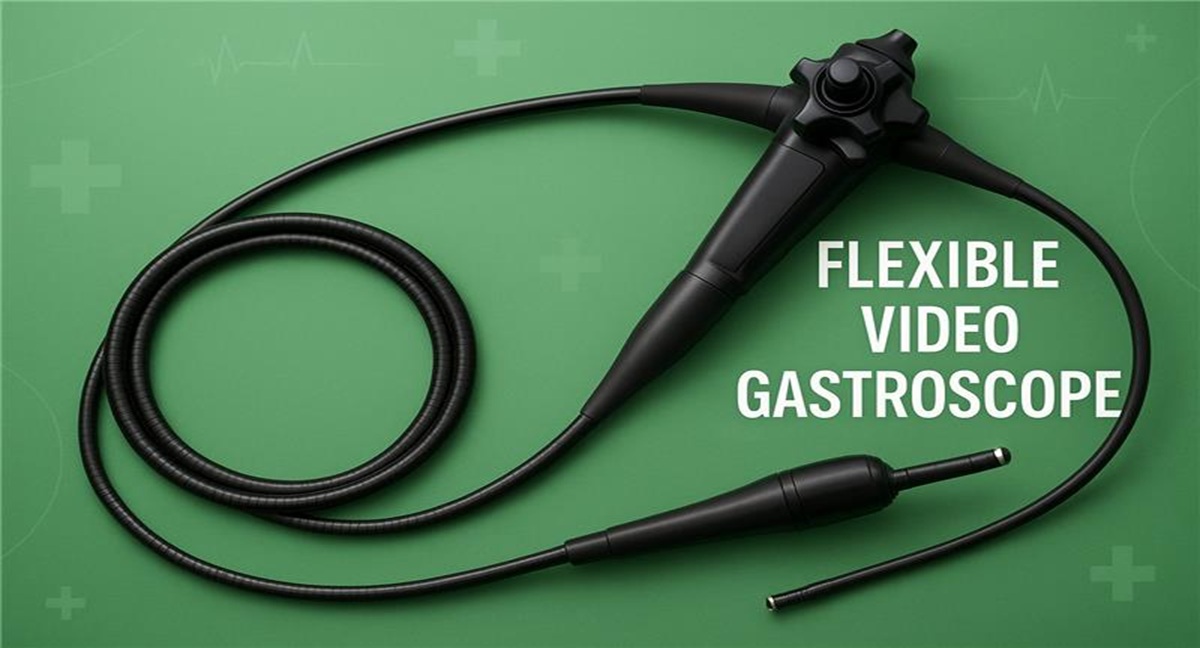
A flexible video gastroscope is a type of endoscope specifically designed for examining the upper gastrointestinal tract. The device consists of a thin, flexible tube with a tiny camera and light source at its tip. The camera captures images and transmits them to a monitor so doctors can clearly observe the internal lining of the digestive organs.
Unlike traditional rigid instruments, this device bends easily, allowing doctors to navigate through the natural curves of the digestive tract. Its flexibility improves patient comfort and helps medical professionals reach areas that would otherwise be difficult to inspect.
This technology is commonly used during a procedure called upper gastrointestinal endoscopy or gastroscopy.
Key Components of the Device
The modern endoscopic system contains several components that work together to provide accurate imaging and smooth operation. Understanding these parts helps explain how the equipment functions.
1. Flexible Insertion Tube
The insertion tube is the main part that enters the patient’s body. It is designed to be smooth and flexible, allowing safe movement through the digestive tract.
2. Video Camera
A miniature high-definition camera is located at the tip of the device. It captures detailed images of the internal tissues and sends them to an external monitor.
3. Light Source
A powerful light source illuminates the digestive tract so doctors can see clearly during the procedure.
4. Control Section
The control handle allows physicians to steer the scope and adjust its direction. It helps guide the instrument safely through the esophagus and stomach.
5. Working Channel
The working channel is a small internal passage that allows doctors to insert medical tools for biopsy or minor treatments during the examination.
How the Procedure Works
During an endoscopic examination, the patient is usually asked to fast for several hours before the procedure. This ensures that the stomach is empty and improves visibility.
A mild sedative may be given to help the patient relax. The doctor then gently inserts the scope through the mouth and guides it down the esophagus into the stomach and the first part of the small intestine.
The camera sends real-time images to a monitor, allowing the physician to examine the internal lining of these organs. If abnormal tissue is found, a biopsy sample can be taken using tools inserted through the working channel.
The entire procedure generally takes around 10 to 20 minutes.
Common Medical Uses
Doctors rely on advanced endoscopic equipment to diagnose and monitor many digestive system conditions. Some common uses include:
-
Detecting stomach ulcers
-
Identifying inflammation in the digestive tract
-
Diagnosing gastroesophageal reflux disease (GERD)
-
Detecting tumors or abnormal growths
-
Investigating unexplained abdominal pain
-
Evaluating difficulty swallowing
-
Monitoring chronic digestive disorders
Because the device provides direct visual access to the digestive tract, it helps doctors make accurate diagnoses and plan effective treatment strategies.
Advantages of Modern Endoscopic Technology
The use of advanced imaging equipment has transformed the way doctors diagnose digestive disorders. There are several important advantages associated with this technology.
Minimally Invasive Examination
The procedure does not require surgical incisions, making it safer and less traumatic for patients.
High-Quality Imaging
Modern systems provide high-definition images that allow doctors to identify even small abnormalities.
Real-Time Visualization
Physicians can observe internal organs instantly, which improves diagnostic accuracy.
Ability to Perform Minor Treatments
Doctors can remove small polyps, stop bleeding, or collect biopsy samples during the same procedure.
Faster Recovery Time
Patients typically recover quickly and can return home the same day.
These advantages make the procedure one of the most widely used diagnostic methods in gastroenterology.
Role in Early Disease Detection
Early detection is essential for effective treatment of many digestive diseases. Conditions such as stomach cancer, ulcers, and severe inflammation can be difficult to identify without direct visualization.
Using a Flexible Video Gastroscope, doctors can detect abnormalities at an early stage before symptoms become severe. Early diagnosis often leads to better treatment outcomes and improved patient health.
Regular screening is especially recommended for individuals who have persistent digestive symptoms or a family history of gastrointestinal diseases.
Patient Safety and Comfort
Patient safety is a major priority during endoscopic procedures. Modern equipment is designed with smooth surfaces and flexible materials that reduce the risk of injury.
Most patients experience only mild discomfort during the examination. Sedation and throat anesthetics are often used to make the procedure more comfortable. Medical staff also monitor the patient throughout the process to ensure safety.
After the procedure, patients may feel slight throat irritation or bloating, but these effects usually disappear within a few hours.
Technological Advancements in Endoscopy
Medical technology continues to improve endoscopic systems. New developments have enhanced image clarity, maneuverability, and overall diagnostic capability.
Recent advancements include:
-
High-definition and ultra-high-definition imaging
-
Narrow band imaging for detecting small lesions
-
Improved flexible materials for easier navigation
-
Enhanced digital recording for medical documentation
-
Advanced sterilization systems for better infection control
These innovations help doctors detect diseases earlier and perform procedures more effectively.
Maintenance and Sterilization
Proper maintenance of endoscopic equipment is essential for patient safety and equipment longevity. Hospitals follow strict cleaning and sterilization protocols after each procedure.
The device is carefully cleaned, disinfected, and inspected before being used again. Advanced automated cleaning systems are often used to ensure the highest hygiene standards.
Regular maintenance also ensures that imaging quality and device performance remain consistent.
Future of Gastrointestinal Endoscopy
The future of gastrointestinal diagnostics is expected to bring even more improvements in imaging and device design. Artificial intelligence is already being integrated into some systems to help detect abnormal tissues automatically.
Robotic assistance, improved digital imaging, and smaller device sizes may further enhance the accuracy and comfort of endoscopic procedures.
These developments will continue to make digestive health examinations safer, faster, and more effective.
Conclusion
A Flexible Video Gastroscope is an essential medical device used for examining the upper digestive system. Its flexible structure, high-resolution camera, and advanced imaging capabilities allow doctors to diagnose gastrointestinal conditions with great precision.
The technology has greatly improved patient care by enabling minimally invasive examinations and early detection of digestive diseases. As medical technology continues to evolve, endoscopic systems will play an even greater role in modern healthcare and gastrointestinal diagnostics.